

Blackjack When to Double Down | Know the Right Moves at the Right Time
Doubling down in blackjack is a high-reward move but only when executed with precision and understanding. Many players make this decision based on instinct rather than strategy, which often leads to costly mistakes.
This guide will explain exactly when to double down in blackjack, using proven tactics and statistical logic.
Whether you’re new to the game or refining your skills, knowing the right moments to double your bet can significantly improve your winning potential at the table.
What Are the Basics of Blackjack Doubling Down?

Doubling down in blackjack is a strategic move where a player chooses to double their initial bet in exchange for receiving exactly one more card.
This option is available immediately after the first two cards are dealt. It’s designed to capitalise on potentially strong hands and take advantage of weak dealer positions.
This move, while tempting, isn’t always advisable. Its effectiveness depends on several factors, including the player’s total, the presence of aces, and the dealer’s upcard.
A correct double down can significantly boost potential winnings, but a poorly timed one can double the losses.
Understanding when doubling down is permitted is also crucial. Some tables limit this option to hands totalling 9, 10, or 11, while others allow it on any two cards. Always check the table’s specific rules before placing a double down bet.
What Are the Blackjack Double Down Rules?
To effectively use the double down strategy in blackjack, it’s essential to understand the rules that govern when and how this move can be made.
While the basics remain consistent across most versions of the game, specific rules may vary slightly depending on the casino or game variant. Knowing these rules ensures players make well-informed decisions and avoid costly mistakes at the table.
When Players Can Double Down?
Players are permitted to double down only after receiving their initial two cards. This choice must be made before taking any other action, such as hitting, standing, or splitting.
Once a third card is drawn, doubling down is no longer an option. The timing of this decision is critical, and hesitation or delay may result in the dealer rejecting the double down request.
Amount Players Can Wager
When doubling down, the player must place an additional wager equal to their original bet.
For instance, if the initial stake was 10 chips, the double down will require a further 10, bringing the total wager to 20 chips. No more and no less than the original bet is allowed under standard rules.
This rule ensures fairness and keeps the doubling mechanism consistent across all hands. Players should always ensure they have sufficient chips available to double when necessary, especially when following basic strategy.
Receiving One Additional Card
Once the double down bet has been placed, the dealer will deal exactly one additional card to the player’s hand. This card is typically dealt face up and placed sideways to signal that the hand is complete.
After this third card is dealt, no further actions can be taken on the hand no hitting, standing decisions, or changes to the bet.
The outcome is based entirely on that one additional card, which makes the decision to double down a calculated risk.
When to Double Down in Blackjack?
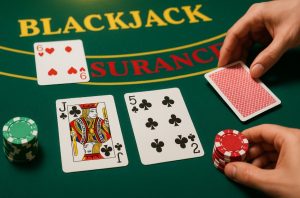
Doubling Down on a Total of 11
This is the most advantageous situation for doubling down. When a player is dealt a total of 11 with their first two cards, they’re in an ideal position to hit a 10-valued card, which would give them 21.
Statistically, 16 of the 52 cards in a deck are worth 10 points (10, Jack, Queen, King), making this a strong strategic move.
Even if the next card isn’t a 10, most other values will still yield a respectable total. For example, drawing an 8 would result in a total of 19, which still has excellent winning potential against most dealer hands.
Doubling Down on a Hard 9 or 10
A hard hand means the total does not include an ace counted as 11. When a player has a hard 9 or 10, doubling down can be a smart choice, but it greatly depends on the dealer’s visible card.
- A hard 10 should be doubled when the dealer shows any card from 2 to 9.
- A hard 9 is more situational and should be doubled when the dealer shows 3 through 6.
The logic here is grounded in the probability of the dealer busting. Dealers are more likely to bust when they’re showing low upcards, especially 2 through 6.
These cards often require the dealer to draw at least two more cards, increasing the chance of exceeding 21.
Doubling Down with a Soft 16, 17, or 18
Soft hands contain an ace that can be counted as either 1 or 11. These hands are flexible, which makes doubling down less risky compared to hard hands.
With soft 16 to 18, doubling is recommended when the dealer is showing a weak upcard, typically 4 through 6.
The reason this works is due to the dual nature of the ace. If the player receives a low card, the ace remains at 11, giving a strong hand.
If the card is high, the ace shifts to 1, preventing a bust and still producing a solid hand total.
Some of the best times to double on soft hands include:
- Soft 16 (Ace + 5) against a dealer 4 through 6
- Soft 17 (Ace + 6) against a dealer 3 through 6
- Soft 18 (Ace + 7) against a dealer 3 through 6
Example Situations for Doubling Down
Understanding how to apply the double down rules in real-game scenarios is crucial. Below are a few practical examples to illustrate the most common and effective moments to double down:
Example 1: Player Has a Total of 11
You’re dealt a 6 and a 5, making a hard total of 11. The dealer shows a 7.
Why double down: You have a high chance of drawing a 10-valued card to make 21. Even if you don’t, totals of 17–20 still give a strong chance of winning.
Example 2: Player Has a Hard 10, Dealer Shows a 6
Your hand is 4 and 6 (totaling 10), and the dealer has a 6 showing.
Why double down: A 10-point draw would give you 20, and the dealer is showing a weak card that could lead to a bust.
Example 3: Player Has a Soft 17, Dealer Shows a 4
You’ve been dealt an Ace and a 6, which is a soft 17. The dealer shows a 4.
Why double down: A low-value card improves your hand without busting, and the dealer is in a vulnerable position.
Example 4: Player Has a Hard 9, Dealer Shows a 5
Your cards are 3 and 6. The dealer shows a 5.
Why double down: You have a moderate hand with good potential, and the dealer’s weak upcard increases your odds of success.
Example 5: Player Has Soft 18, Dealer Shows a 6
You’re holding an Ace and a 7. The dealer’s upcard is a 6.
Why double down: While 18 is already decent, doubling gives you a chance to strengthen your hand and take advantage of the dealer’s likely bust.
When Not to Double Down in Blackjack?

Avoid Doubling Down When the Dealer Has an Ace
When the dealer shows an ace, there’s a significant chance they’ll either have a blackjack or reach a high total.
In such cases, the risk of losing a doubled wager outweighs the potential benefits. Since the dealer may also offer “insurance” in these situations, the focus should be on minimising losses, not increasing exposure.
Additionally, even if the dealer does not hit 21 immediately, their chances of forming a strong hand are higher. Doubling down under these circumstances generally leads to a poor expected return.
Risk of Busting with a Hard Total Over 11
When a player has a hard hand totalling 12 or more, doubling down becomes riskier. Drawing a high-value card like a 10 or face card would push the hand over 21, resulting in a bust.
This risk is especially high if the dealer is showing a strong card such as 7 through Ace. In such cases, the prudent play is usually to hit or stand, not double.
For instance, a hand like 13 against a dealer 10 is already vulnerable without increasing the bet size.
Other Scenarios to Avoid
Certain hands and dealer positions just don’t support doubling down. Some examples include:
- A soft hand against a dealer 7 or higher, since the chance of the dealer forming a strong hand increases.
- A hard hand of 8 or less, which simply has too little value to justify risking more chips.
- Hands after a split that are not strategically strong, depending on house rules.
Example Situations for Not Doubling Down in Blackjack
Example 1: Player Has a Hard 12, Dealer Shows a 2
Your hand is 7 and 5, giving you a hard 12. The dealer is showing a 2.
Why not double down: A 12 is risky you’re in danger of busting if you draw a 10-value card. Additionally, the dealer’s 2 isn’t weak enough to justify increasing your bet. A better move is to stand or hit based on the full strategy chart.
Example 2: Player Has a Hard 14, Dealer Shows a 10
You’re holding 9 and 5, while the dealer shows a 10.
Why not double down: The dealer has a strong upcard, and your hand has a high bust potential if you draw a 10. Doubling here increases risk without good upside.
Example 3: Player Has a Soft 18, Dealer Shows an Ace
You’re dealt Ace and 7. The dealer has an Ace showing.
Why not double down: While 18 seems strong, the dealer’s ace gives them a solid chance of hitting 19 or 20. Doubling down puts more chips at risk when you’re unlikely to win.
Example 4: Player Has a Hard 13, Dealer Shows a 9
You have 6 and 7, totalling 13. The dealer’s upcard is a 9.
Why not double down: The dealer is in a powerful position, and your hand is not strong enough to challenge it. Doubling would be overly aggressive.
Example 5: Player Has a Soft 16, Dealer Shows a 7
Your hand is Ace and 5. The dealer is showing a 7.
Why not double down: Against a stronger upcard like 7, your chances of improving the hand meaningfully with one card are slim, and the dealer has good odds of building a better total.
How to Double Down at a Blackjack Table?
Executing a double down move is simple, but it must be done correctly to be accepted by the dealer.
Once the decision is made, the player places an additional stack of chips equal to their original bet beside their initial wager. No verbal cue is usually required, though some players will indicate verbally or with a pointing gesture.
The dealer will then deal exactly one more card, placing it sideways across the original hand. This is the final card for that round; the player may not hit again.
Important rules and tips:
- You must double your bet exactly, no more, no less.
- Ensure the table allows doubling down on the specific hand you’re holding.
- Don’t double down based on intuition; never refer to your strategy guide or chart.
What Are the Blackjack Strategy Charts for Doubling Down?

At their core, blackjack strategy charts are simple grids. Along one side of the chart, you’ll find the player’s total hand values divided into hard hands (with no ace counted as 11), soft hands (with an ace counted as 11), and pairs. Along the top are the dealer’s upcards, typically ranging from 2 through Ace.
Each cell where the row and column meet indicates the recommended move for that combination, such as hit, stand, split, or double down.
The power of these charts lies in their reliance on probabilities rather than intuition, making them far more accurate than gut feelings.
Key Double Down Situations from Strategy Charts
The charts clearly indicate when doubling down is most effective based on both your total and the dealer’s visible card.
Hard Hands to Double Down On
- Total of 11: Always double down, no matter the dealer’s upcard
- Total of 10: Double if the dealer shows 2–9
- Total of 9: Double if the dealer shows 3–6
Soft Hands to Double Down On
- Soft 13 or 14: Double against dealer 5 or 6
- Soft 15 or 16: Double against dealer 4 through 6
- Soft 17: Double against dealer 3 through 6
- Soft 18: Double against dealer 3 through 6 (stand or hit otherwise)
These plays are all based on the probability that one additional card will produce a strong hand while the dealer is in a vulnerable position.
Importance of the Dealer’s Upcard
Strategy charts are built around the relationship between your hand and the dealer’s visible card.
If the dealer is showing a low-value card, like 2 through 6, they’re statistically more likely to bust. That’s why doubling down is often advised in these scenarios.
On the other hand, if the dealer is showing a 7 or higher, the chances of them building a strong hand increase.
In these situations, most charts lean away from aggressive moves like doubling and recommend safer plays such as hitting or standing, depending on the player’s total.
How to Use the Chart in Real Time?
Using a strategy chart during gameplay is straightforward. First, identify the type of hand you’ve been dealtwhether it’s a soft or hard hand, and what the total is.
Next, look at the dealer’s upcard. Then locate the intersection of those values on the chart, which will show the statistically optimal move.
In online blackjack games, players can often use the chart freely without any issues. In physical casinos, it’s generally acceptable to reference a printed chart, so long as it doesn’t delay the game or involve other players.
Are Strategy Charts Always Correct?
While they are highly reliable, strategy charts are designed based on specific rule sets, such as the number of decks in play, whether the dealer hits or stands on soft 17, and whether doubling after splitting is allowed.
It’s important to ensure the chart you’re using is tailored to the version of blackjack you’re playing.
In a single-deck game, for example, the recommended moves may differ slightly from a six-deck shoe game. Similarly, European blackjack and Atlantic City blackjack each have variations that can impact the recommendations.
What Are the Common Mistakes to Avoid When Doubling Down?

Even experienced players sometimes make poor decisions when it comes to doubling down. Here are a few pitfalls to be aware of:
- Misreading a soft hand as hard: A soft 17 has different strategic value compared to a hard 17. Misidentifying the hand can lead to poor decisions.
- Ignoring the dealer’s upcard: Some players focus solely on their own cards and forget to consider the dealer’s strength.
- Using emotion instead of strategy: Doubling down out of frustration or to chase losses often leads to even greater losses.
- Not knowing the house rules: Some casinos don’t allow doubling after a split or restrict which hands you can double on. Always check before you play.
Conclusion
Knowing when to double down in blackjack is one of the most crucial aspects of mastering the game. When played correctly, this move can significantly boost your earnings and reduce the house edge.
By understanding the right conditions, like having 11, a soft 17, or a hard 10 against a weak dealer upcard, you can maximise your winnings and minimise losses.
Take time to study, practise with free tools or low stakes, and always play with a clear mind. Mastering the double down could be the edge you need to play like a pro at any UK casino table.
Frequently Asked Questions About Doubling Down in Blackjack
Can you double down after splitting cards in blackjack?
It depends on the casino. Some allow doubling down after splitting, while others restrict it to initial hands only.
Is it better to double down or hit on 10?
If the dealer shows a 2 through 9, doubling down is statistically favourable. Against higher cards, hitting may be safer.
Can you double down on any two cards?
In most UK casinos, yes. However, some games restrict doubling to totals of 9, 10, or 11 only.
What does a soft 17 mean in blackjack?
A soft 17 includes an ace counted as 11, like Ace + 6. It offers flexibility since the ace can also count as 1 if needed.
Should beginners try doubling down?
Yes, but with caution. Learn the basic strategy and use it as a tool rather than a gamble.
Why does the dealer deal the next card horizontally after doubling down?
It signals that the player can’t receive more cards. The horizontal card marks the hand as final.
Can you win big by doubling down often?
Frequent doubling isn’t the key; timing is. Only double down in situations that favour the odds.
Disclaimer: UK Casino Site is a blogging platform only. It does not promote or operate gambling services. Please gamble responsibly.